
20 Jul A New Perspective on Subsurface Science as presented at the AAPG conference in Namibia
Rethinking Geo-Fluid Flow: A New Perspective on Subsurface Science as presented at the AAPG conference in Namibia
Our latest measurements challenge long-held assumptions about how geo-fluids move through the Earth’s subsurface and introduces a fresh approach to understanding fluid behaviors from basement formations into sedimentary layers.
Drawing on extensive exploration experiences in high-enthalpy geothermals, helium / hydrogen / methane / lithium in brine mining and the oil&gas, our work presents compelling field measurements that suggest geo-fluid movement is driven by changes in volume—not simply by pressure differences.
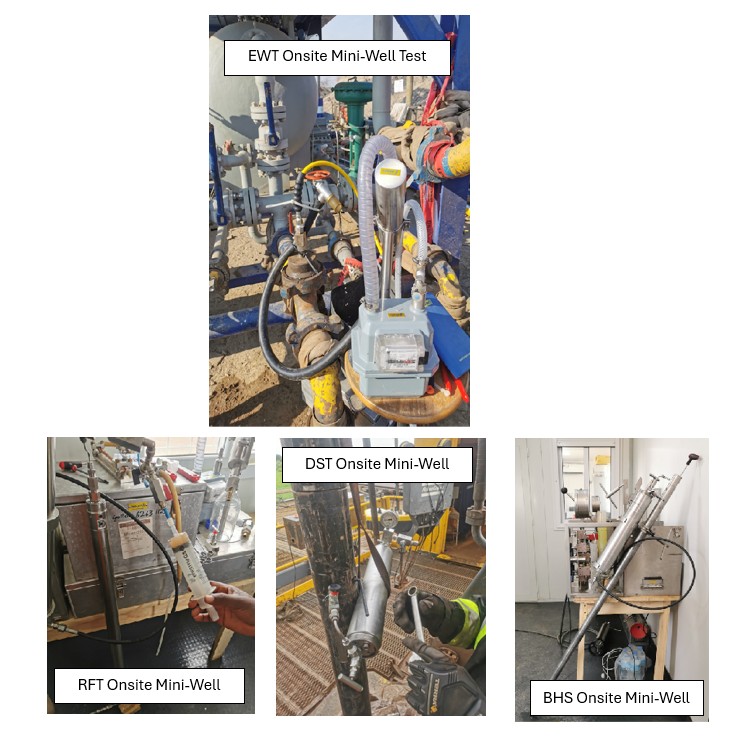
Our studies also reveal intriguing observations on the relationships between hydrogen, helium, water with mineral methane, with implications for welltesting for geo-fluids. By applying principles inspired by Avogadro’s law to subsurface fluid dynamics, we propose a new framework that could significantly improve the performance and success of welltesting ‘while drilling’, from Repeat Formation Testers (RFT), Bottom Hole Sampling (BHS), Drill Stem Testing (DST) and Extended Well Testing (EWT).
These findings challenge conventional geological thinking by advocating a “bottom-up” understanding of fluid migration rather than traditional top-down models.
If you’re involved in subsurface resource exploration for high enthalpy geothermal energy, helium-hydrogen-methane-brine mining and the oil & gas, our two technical papers offer thought-provoking insights that shall reshape how geo-fluids migration are interpreted and measured.
Interested in learning more? Contact us to discuss how these findings could apply to your exploration or production projects.